Three Decades in the Wild
Lynn Starnes is an award-winning wildlife photographer whose images have been recognized by the Smithsonian Institution. She has spent over thirty years pursuing North American wildlife in its most remote and extreme environments, from the Arctic to the ridgelines of the Sierra Nevada.
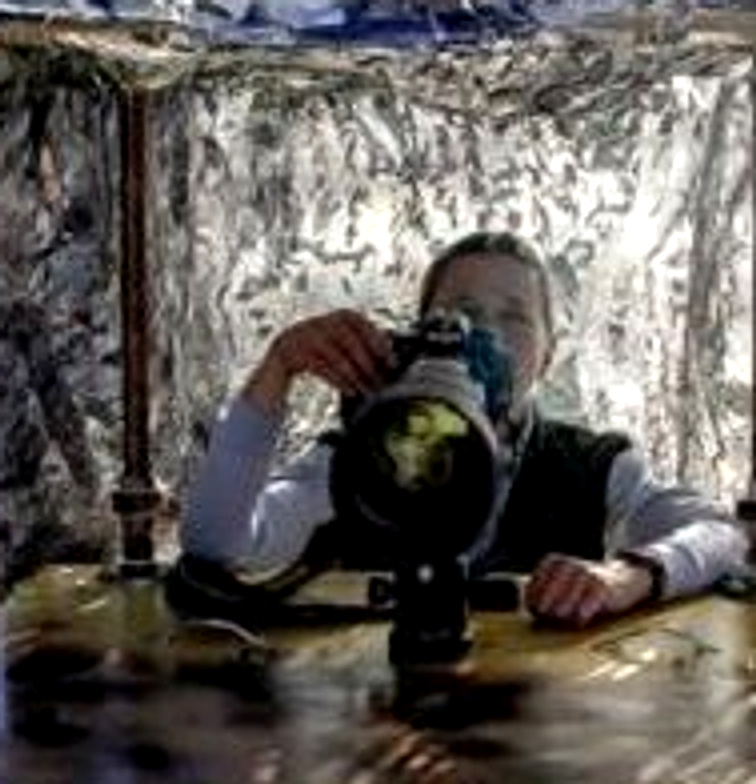
A biologist first, a photographer second
Lynn Starnes spent thirty-eight years as a fish and wildlife biologist — researching animals, running field studies, and managing habitat — before most people ever saw one of her photographs. She has a master’s degree in aquatic ecology, twenty-two years with the U.S. Fish and Wildlife Service behind her, and a Peace Corps posting in West Africa before that.
“The advantage of being a biologist first and a photographer second is my knowledge of animal behavior and habitats. I see animals I am studying eating, sleeping, in their mating rituals, and even playing. Most tourists who visit America’s wild lands rarely have the time to let animals acclimate to their presence, so they rarely see animals being wild, natural, relaxed animals.”
She calls herself an “ambush photographer.” There is no posing a bull elk. What she does instead is wait — sometimes passing up the early, easy shots entirely — until an animal forgets she is there.
“Photography for me is fundamentally a waiting game. I wait for the animal to exhibit postures that I think are expressive. The expression of the animal, such as the eyes looking directly into the lens, or the position of the body, will make the difference between a marketable and possibly award-winning image or a throw away.”
That patience is what produced the polar bear photograph judged in the top 25 of almost 70,000 entries for Nature’s Best / Smithsonian in 2018 — made during two weeks at the Arctic Circle in weather that never rose above −27 °F, and dropped as low as −46 °F as Hudson Bay froze over and the bears began hunting seals, their first food in months.
Every photograph sold here was made in the wild. Nothing is staged and nothing is posed. It is the animal, the light, and however long it took.
“Hopefully, I can inspire you to love these wild animals that have been my life, and to help conserve these wild animals and their habitats for future generations.”
Credentials
- Education
- B.S. Zoology, University of Tennessee (1972) — M.S. Aquatic Ecology, University of Tennessee (1976)
- Career
- U.S. Fish and Wildlife Service, 1984–2006 — Tennessee Valley Authority, 1974–1984 — Peace Corps, West Africa, 1972–1974
- Recognition
- Top 25, Nature’s Best / Smithsonian, 2018 — Registered Fisheries Scientist, American Fisheries Society
- Conservation
- Nevada Bighorns Unlimited · Wild Sheep Foundation · Rocky Mountain Elk Foundation